Updated for 2026. Toronto has the oldest housing stock in the GTA — roughly half of its homes were built before 1960, and thousands still run on 60A fuse panels or knob-and-tube wiring. A full service upgrade here typically costs $2,800–$4,500, and it's the single job that unlocks everything else. Here's what I tell every Toronto homeowner who calls my office.
Toronto's housing stock is older than most buyers expect
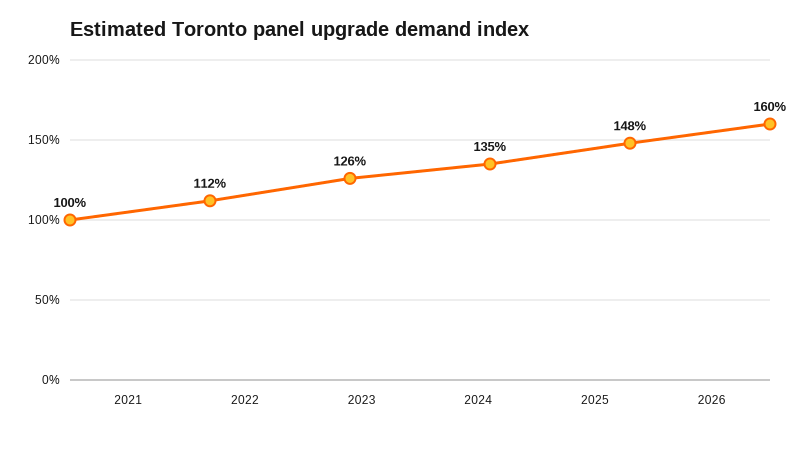
Walk the streets of East York, the Annex, Riverdale or Etobicoke and you're looking at a century of electrical history behind the walls. Pre-1950 homes were wired for knob-and-tube sized for a few lights and a radio. The 1950s–60s brought 60A and 100A fuse services that were never designed for central air, computers or EV chargers. The 1965–1978 building boom added aluminum branch wiring during the copper shortage. Layer on illegal basement apartments, homeowner handyman specials and insurance companies tightening requirements, and Toronto generates more electrical remediation work per square kilometre than anywhere else I serve. The demand trend for panel and service upgrades has climbed steadily for years — EVs, heat pumps and insurer demands keep pushing it up.
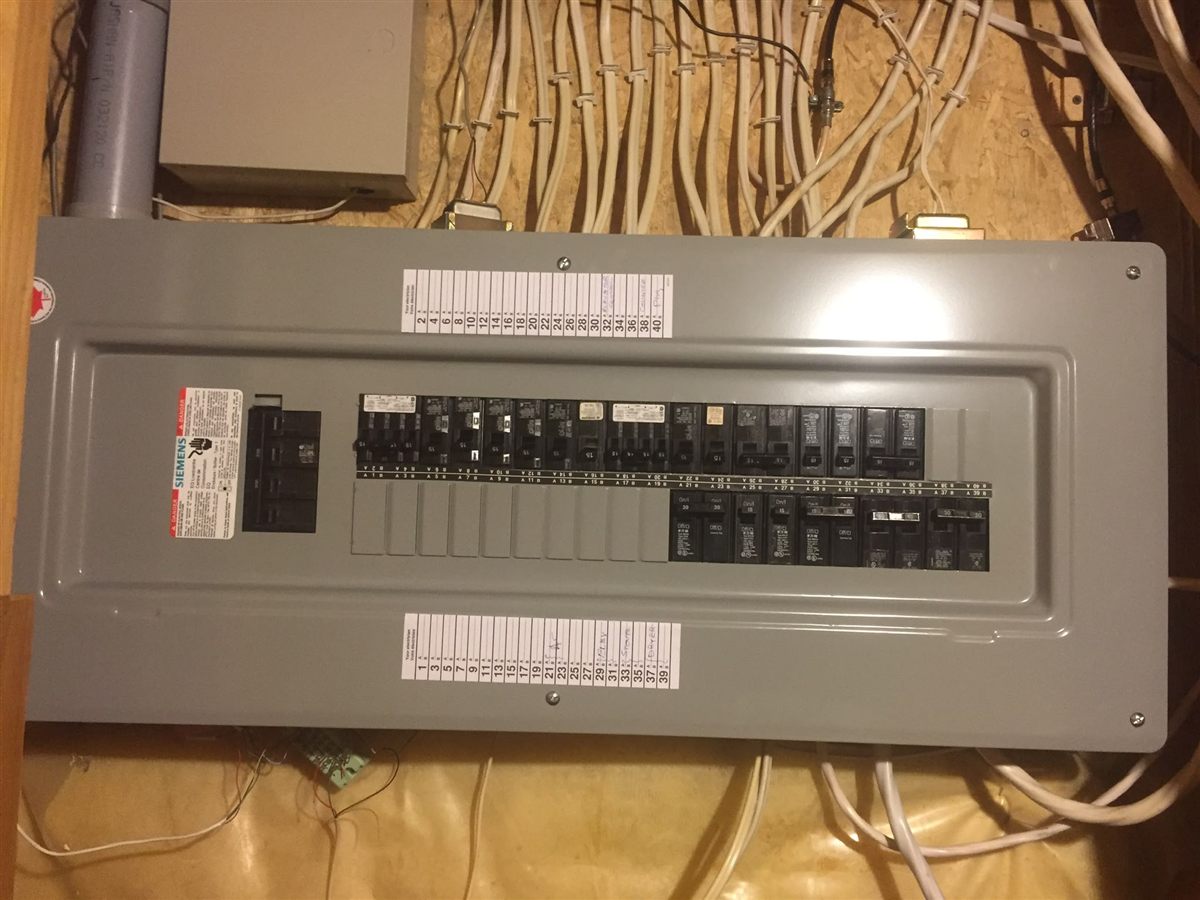
The practical consequence shows up at the panel. A pre-war semi that's been "updated" three times by three different owners usually has a fuse panel feeding newer breaker sub-panels, kitchen circuits tapped from hallway wiring, and a basement suite nobody ever permitted. None of that is unusual in this city — but it all has to be untangled before any modern load, from a hot tub to a Level 2 charger, can be added safely. That's why the first hour of any Toronto assessment is spent mapping what previous owners actually did, not guessing.
The ESA violation letters Toronto owners actually get
Toronto homeowners contact me most often with an ESA defect notice or an insurance letter in hand, not a renovation plan. The usual story: a home inspector, insurer or the City flagged something during a sale, a rental-licensing inspection or a basement-apartment review. The defects I correct most in Toronto are unpermitted wiring from past renovations, unsafe aluminum splices done with the wrong connectors, overloaded fuse panels, and rental units that were never wired to code. A defect notice is not a disaster — it's a defined list, and an experienced ESA defect correction contractor works through it systematically, books the inspection and gets you a clean Certificate of Inspection. What you should never do is ignore it: unpermitted electrical work surfaces at every future sale and can void insurance after a fire.
Condos and detached homes are different electrical worlds
Detached and semi-detached Toronto homes are full projects: service upgrades, rewiring, EV chargers, hot tubs, additions. Condos are a permission problem more than a wiring problem — almost everything touches common elements, so the corporation's rules govern. That said, condo owners have real rights: Ontario's condo law requires corporations to accommodate EV-charging requests through a set process, and most newer towers in Toronto have spare capacity in their parking levels if you go through engineering properly. The pattern I see across the region — from downtown Toronto to Brampton and Markham — is the same: owners who plan with a licensed contractor and their corporation get chargers and upgrades done in weeks, while owners who improvise get stalled for months.
What electrical work costs in Toronto in 2026
| Job | Typical Toronto cost (CAD, installed) | Notes |
|---|---|---|
| Service upgrade 100A → 200A | $2,800 – $4,500 | Includes ESA permit; overhead vs underground service affects price |
| 60A fuse → 100A/200A service | $3,500 – $5,500 | Often needs mast, meter base and panel replacement |
| Knob-and-tube remediation (full home) | $8,000 – $20,000+ | Varies with access, insulation plans and home size |
| Aluminum wiring remediation | $3,000 – $10,000 | Pigtailing vs full rewire; insurer requirements drive scope |
| Level 2 EV charger installation | $1,200 – $2,500 | Panel capacity is the variable; load management can reduce cost |
Toronto pricing runs slightly higher than the outer GTA for good reasons: parking, permits, older infrastructure surprises inside walls, and the extra hours that knob-and-tube fishing takes in lath-and-plaster. Any quote should state whether the ESA permit, inspection and drywall patching are included — on older Toronto homes, those line items are where low bids quietly grow. If you have knob-and-tube or aluminum wiring, fix it on your schedule — during a renovation or before listing — not under pressure from an insurer's deadline.
Sources
- Toronto Hydro — Home electrical safety
- Electrical Safety Authority — Homeowners
- Ontario Electrical Safety Code (O. Reg. 164/99)
- Statistics Canada — Housing characteristics
- Ontario Energy Board — Electricity distributors and rates
Questions Toronto homeowners ask me
Is knob-and-tube wiring illegal in Toronto?
Not illegal to keep, but effectively uninsurable. Most Toronto insurers either refuse coverage or demand remediation on active knob-and-tube. It was safe for 1920s loads; it was never designed for today's demand, and burying it in insulation is a genuine fire risk. Replacement during other renovation work is usually the most economical path.
My home has a 60A fuse panel. Can it handle central air or an EV charger?
Generally, no. A 60A service might carry window units and modest living, but central AC, electric dryers, hot tubs or EV charging will trip it — or overheat connections nobody can see. Upgrading to 100A or 200A is one to two days of work and the foundation for everything modern.
Will the ESA force me to rewire my whole house?
No — and this fear stalls too many projects. An ESA inspection covers the work being done and obvious safety hazards. A panel upgrade doesn't automatically trigger whole-home rewiring unless inspectors find active hazards. Get the facts first; the scope is usually smaller than feared.
Do I need my Toronto condo's permission for an EV charger?
You'll need to follow the corporation's electrical infrastructure application process, and Ontario law requires corporations to work with owners on EV charging requests rather than flatly refuse. Plan for engineering review and an allocation of panel capacity — owners who start that conversation early get it done fastest.
How disruptive is a service upgrade in an older Toronto home?
Less than people fear: power is off for part of a day, drywall damage is limited to the panel location and any required meter-base work, and the ESA inspection typically happens within days. Compared to a rewire, a service upgrade is the gentlest major electrical job there is.
Whether it's a 1920s semi in East York or a newer build in North York, we provide free estimates across Toronto and the GTA — call 416-903-7166 and I'll personally review your panel, your wiring and your options.