“Irshad and his team installed potlights throughout our main floor, hooked up our new appliances and added under-cabinet lighting in the kitchen. Clean, precise work and the ceiling patch lines are invisible. Everything was left spotless at the end of each day.”
EV Charger Installation in Brampton & the GTA
Updated for 2026. Most Brampton homeowners pay $1,800–$4,500 for a complete Level 2 charger installation, including the ESA permit and inspection; add $4,500–$8,500 when the job includes upgrading your panel to 200 amps. Charging a typical 60 kWh EV battery overnight costs about $1.70 on ultra-low overnight rates — less than a coffee. The tiered pricing, brands and honest rebate picture are all below.
Home charging is the single biggest convenience of owning an electric vehicle. A properly installed Level 2 charger fills most EV batteries overnight while you sleep, at a fraction of what public fast-charging costs. But an EV charger is a serious electrical load — a dedicated 240-volt, 40- to 60-amp circuit that must be sized correctly, protected properly and inspected before it ever charges your car. That's exactly the work a licensed electrician should do, and it's the only work Bano Electrical Services Ltd has done for over two decades.
We've installed chargers for Tesla, Hyundai (Ioniq 5 and Ioniq 6), Kia (EV6, EV9), Ford (F-150 Lightning, Mustang Mach-E), Chevrolet, BMW, Mercedes-Benz, Volvo, Polestar, Rivian and Volkswagen owners across the GTA. Whether you park in a garage in Mount Pleasant, on a driveway in Streetsville, or in a new-build home in Woodbridge, we design the installation around your panel, your parking layout and your driving habits.
Chargers We Install
Tesla Wall Connector & Universal Chargers
Tesla's Wall Connector remains the cleanest, fastest option for Tesla owners, charging at up to 48 amps (roughly 70 km of range per hour) when paired with a 60-amp circuit. The Universal Wall Connector adds a Magic Dock adapter so non-Tesla EVs can charge too — a smart choice for mixed-vehicle households. We mount the unit at the correct height, hardwire it on its own dedicated breaker, and configure the amperage to match your panel's real capacity.
ChargePoint, FLO & Grizzl-E
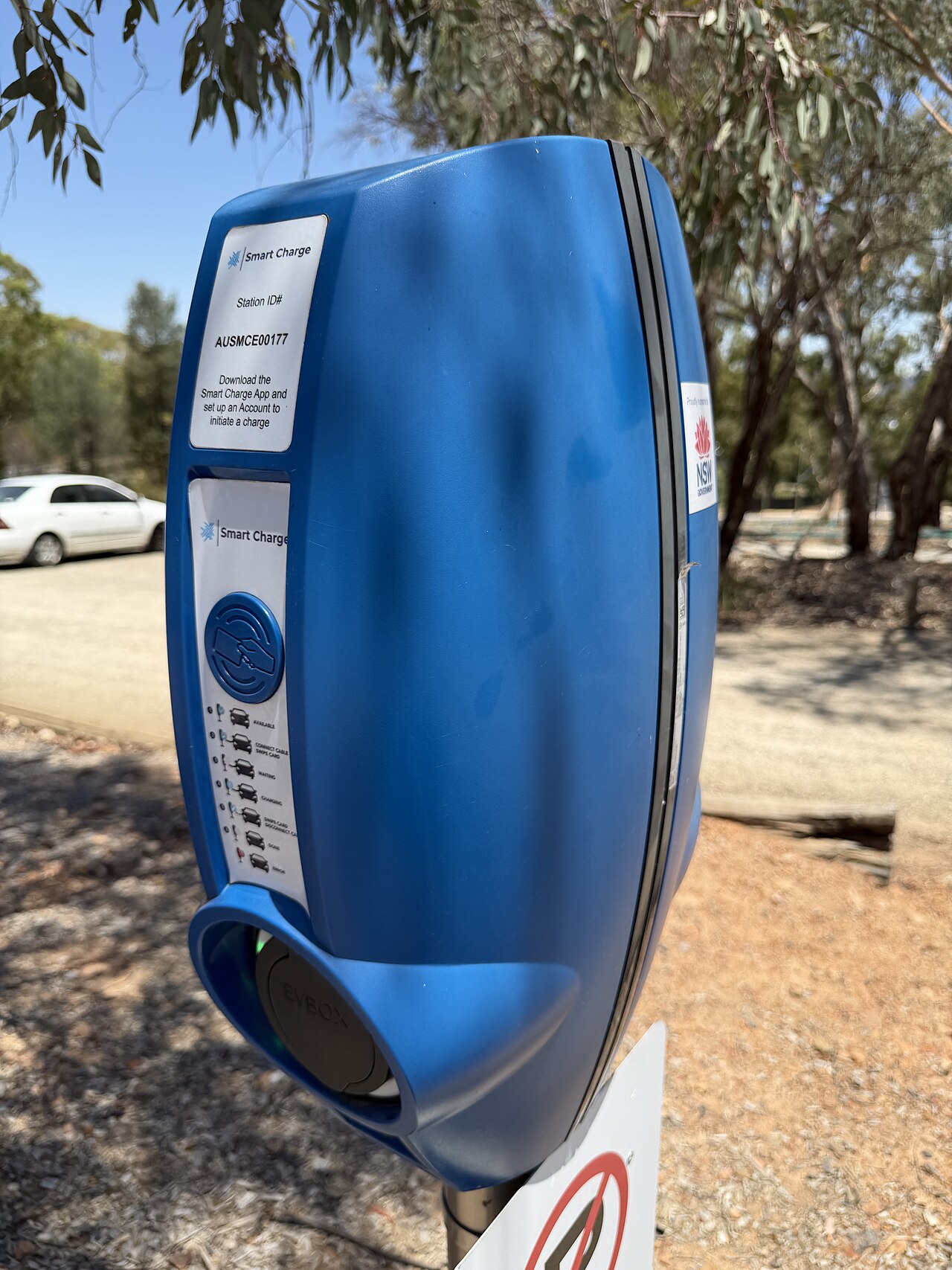
For non-Tesla vehicles — or households that want a universal solution — we regularly install ChargePoint Home Flex, FLO Home G5 and Grizzl-E units. These are Canadian-weather-rated, Wi-Fi connected chargers that qualify for rebate programs, work with every EV sold in North America, and let you schedule charging for off-peak hydro rates. We'll recommend the right unit based on your vehicle, your garage and your budget — we sell the installation, not a particular brand.
Load Calculation: The Step Most Installers Skip
Every Ontario Electrical Safety Code-compliant EV charger installation begins with a formal load calculation. Your home's electrical service is sized for everything drawing power at once — HVAC, electric range, dryer, hot tub, pool heater. Add a 40- to 60-amp continuous EV load and many older GTA homes simply don't have the headroom.
We calculate your actual demand using the CE Code load method, measuring real consumption where it matters. Outcomes usually fall into three categories:
- Sufficient capacity: many newer homes — especially 100A and 200A services built after 2005 — can accept a charger immediately.
- Near capacity: we can often install an energy management system (EMS) or a load-shedding device that lets the charger share capacity safely with other large loads.
- At capacity: older 60A or 100A services with electric heating, a hot tub or a pool typically need a panel and service upgrade to 200 amps before the charger goes in.
Roughly half of the charger jobs we quote in Brampton's older pockets — parts of Downtown Brampton, Huttonville and older Mississauga — end up needing panel work. We'd rather tell you that during a free estimate than discover it mid-installation.
Permits, ESA Inspection & the Go Electric Rebate
EV charger installations in Ontario require an electrical permit, and the work must pass an ESA inspection before the charger is energized. As a licensed ESA/ECRA #7004060 contractor, we pull the permit, schedule the inspection and correct anything the inspector flags — you never deal with the paperwork. When we leave, you get a certificate of inspection that protects your insurance and your home's resale value.
Provincial programs have historically helped Ontario homeowners offset charger costs — the former Go Electric EV charger rebate and current federal incentives for charger purchases change over time, so we keep current on what's available and point eligible customers to the right application during your estimate. Charger hardware itself often qualifies for separate purchase rebates even when installation doesn't.
What a Typical Installation Looks Like
Most single-family installations follow a predictable pattern. We run a dedicated 240V circuit from your panel — usually 6/3 or 8/3 copper depending on amperage — through finished or unfinished space to the charger location. The circuit gets its own double-pole breaker, GFCI protection as required, and a disconnect where code demands it. If your panel is on the opposite side of the house from your driveway, we route the wiring cleanly through the basement or garage, not in ugly surface conduit across your siding — unless you ask for that look, which some commercial clients prefer.
Condo and townhouse installations are different: we work with your property manager and, where required, the condo corporation's engineers to get approval, and we meter the circuit separately where shared panels are involved. Multi-unit residential work is a growing share of our GTA charger business.
Charger Placement & Smart Charging
Where the charger lands matters more than most owners expect. We mount units so the cable reaches your charge port without stretching across walking paths, keep connectors out of snow-plow range for driveway installs, and position garage units away from storage shelving and vehicle doors. For households with two EVs, we install dual chargers on a shared circuit with power management, or pre-wire a second location so your next vehicle is plug-and-play.
Every Wi-Fi-enabled charger we install gets connected to its app and scheduled for off-peak rates. In Brampton and across the GTA, off-peak charging typically cuts charging costs by 40–60% versus public Level 3 stations — often under $2.50 for a full 400 km of range.
Charging Speeds & Circuit Sizing
Charging speed is set by the circuit, not the car. Most home chargers are configured for 32, 40 or 48 amps of continuous draw — and because EV charging is a continuous load, the electrical code requires the circuit to be sized at 125% of that draw. In practice:
| Breaker size | Charging current | Typical overnight gain |
|---|---|---|
| 40-amp circuit | 32 amps | 35–45 km/hour |
| 50-amp circuit | 40 amps | 45–60 km/hour |
| 60-amp circuit | 48 amps | 55–70 km/hour |
A 40-amp configuration covers the vast majority of GTA commuters; 48 amps future-proofs heavier drivers and larger batteries. We also verify that your charger's settings match the installed breaker — a charger misconfigured above its circuit rating is a genuine fire hazard we check before we leave.
Commercial & Condo EV Charging
Beyond single-family homes, we install chargers for small commercial fleets, workplace charging and multi-unit buildings across the GTA. Workplace and fleet installations often benefit from networked chargers with usage reporting; condo work runs through your corporation's approval process, which we guide you through. If you're a landlord or property manager planning several units, ask about phased installations that share infrastructure costs across tenants.
What a Home EV Charger Costs in 2026: Three Tiers
EV charger pricing isn't one number — it's three tiers, and knowing which tier your home falls into is the whole estimating game:
| Tier | What's involved | Typical 2026 range (CAD) |
|---|---|---|
| Simple install | Panel nearby with confirmed capacity, short wire run, garage mount | $1,800 – $2,800 |
| Standard install | Longer run through finished space, outdoor mounting, energy management | $2,800 – $4,500 |
| Complex install | Includes panel/service upgrade to 200A, trenching or service changes | $4,500 – $8,500 |
Every tier includes the ESA permit, inspection coordination and certificate. Where the estimate lands depends on the load calculation (below), the wire run and mounting location — which is why our quotes follow a site visit, not a phone guess. Chargers themselves range from $500–$800 for solid Canadian units like Grizzl-E to $800–$1,300 for premium brands like Tesla's Wall Connector, whether you supply your own or purchase through us at competitive pricing.
What It Costs to Charge at Home: The ULO/TOU Math
The question behind the question — here's the actual math for a typical 60 kWh EV battery in Ontario:
| Rate period | Approx. $/kWh (2026) | Full-charge cost |
|---|---|---|
| Ultra-low overnight (ULO, 11pm–7am) | ~$0.029 | ~$1.70 |
| Off-peak (TOU) | ~$0.087 | ~$5.20 |
| Mid-peak (TOU) | ~$0.122 | ~$7.30 |
Most GTA EV owners on ULO plans charge a 60 kWh battery for about $1.70 overnight — roughly 500 km of real-world range. Compare that to $15–$25 at public fast chargers, and the installation pays for itself in fuel savings within a couple of years for the average commuter. We configure every Wi-Fi charger to schedule automatically for the cheapest window.
Charger Brands Compared: Tesla, Grizzl-E, FLO, Wallbox & ChargePoint
| Charger | Max current | Connector | Approx. price (CAD) | Notes |
|---|---|---|---|---|
| Tesla Wall Connector | 48A | NACS (+J1772 via Universal) | $800 – $1,300 | Sleakest option for Tesla households; Universal adds non-Tesla adapter |
| Grizzl-E Classic | 40A | J1772 or NACS | $500 – $700 | Canadian-made, rugged, strong value; rebate-eligible purchases historically |
| FLO Home G5 | 32A | J1772 or NACS | $700 – $900 | Quebec-based, Canadian-weather-rated, solid app |
| Wallbox Pulsar Plus | 48A | J1772 or NACS | $800 – $1,000 | Compact, power-share capable for two units |
| ChargePoint Home Flex | 50A | J1772 or NACS | $700 – $900 | Large network ecosystem, flexible amperage settings |
We install all of them — and we don't sell one brand, so the recommendation follows your vehicle, parking and panel, not our inventory. Two-EV households should ask about load-sharing models like the Wallbox or paired Tesla units on power management.
Rebates & Incentives: The Honest 2026 Picture
We keep this section current because it changes, and honesty here builds the trust the lead-generation goal depends on. For homeowners installing a charger at a single-family home, there is no live provincial rebate for installation as of 2026 — Ontario's Go Electric EV charger rebate program has ended, and we won't pretend otherwise. What does exist: the federal Zero Emission Vehicle Infrastructure Program (ZEVIP) continues to fund chargers at workplaces, multi-unit residential buildings and public locations — relevant if you're a condo corporation, employer or commercial property owner; charger hardware itself is sometimes eligible for separate purchase incentives; and IESO's Save On Energy programs periodically support related electrical upgrades. We flag anything applicable during your estimate and can help with documentation for business and condo applications — the segments where real money remains on the table.
Alectra & Your Service: Brampton-Specifics
Brampton homeowners are served by Alectra Utilities, and while a standard charger circuit doesn't require utility involvement the way a service upgrade does, the relationship matters at the edges: if your load calculation shows the service is short, the path runs through a 200-amp upgrade with Alectra coordination; if you're considering an energy management system to avoid that upgrade, we confirm the configuration with Alectra's metering and service rules so there are no surprises at inspection. Mississauga, Vaughan and Richmond Hill have their own distributors with parallel processes — we work with all of them weekly.
Condo, Commercial & Fleet Buyers
Beyond single-family homes, three segments deserve their own mention. Condo owners face corporation approvals, engineered load reviews and often shared-panel metering — we prepare the technical submissions and install to the corporation's specification. Commercial and fleet charging — from two-vehicle contractor fleets to workplace chargers — is where ZEVIP funding is most accessible, and networked units with usage reporting pay for themselves in fleet fuel savings. Property managers planning multi-unit retrofits should call early: phased infrastructure shared across parking areas spreads costs and we design those phases. Each segment gets honest scoping — what it costs, what it needs, and what funding might offset it.
Winter Charging in Brampton: What January Tests
EV owners learn their charger's real value in a GTA January: cold batteries charge slower and hold less range, so a faster Level 2 circuit matters more, not less. Garage-mounted chargers stay warmer and perform more consistently than driveway units; outdoor mounts need weather-rated enclosures and connectors rated for Canadian cold. If your parking is outside, tell us at the estimate — hardware selection and mounting details change with it. None of this is complicated, but it's the kind of local experience that separates a professional install from a spec-sheet one.
Why Homeowners Choose Bano Electrical Services Ltd
The short version: nobody installing EV chargers in Brampton combines licensed master-electrician oversight (ESA/ECRA #7004060), honest load calculations and two decades of panel experience — so we put it all on this page.
- Licensed master electrician on every job — ESA/ECRA #7004060, not a subcontractor with a handyman licence.
- Family-owned since 2003 — 20+ years of GTA panel and wiring experience means your load calculation is done by someone who has upgraded thousands of services.
- Permit and inspection included — we handle the ESA process end to end.
- Honest advice — if your panel can't support a charger, we tell you upfront and price the upgrade alongside it, with no surprise change orders.
- Insured and WSIB-covered — documentation available for your records on request.
Ready to wake up to a full battery every morning? Call 416-903-7166 for a free in-home estimate anywhere in Brampton, Mississauga, Vaughan, Richmond Hill, Markham, Toronto, Caledon or Oakville — or book online and we'll come to you, including evenings and Saturdays.