Updated for 2026. Mississauga is really two electrical cities: post-war Port Credit and Mineola homes with 60-amp fuse panels and aluminum wiring, and 1970s–80s Erin Mills and Meadowvale split-levels now overdue for service upgrades. Most Mississauga homes I assess need a panel upgrade in the $3,000–$4,500 range before anything modern gets added.
Two housing stocks, two sets of problems
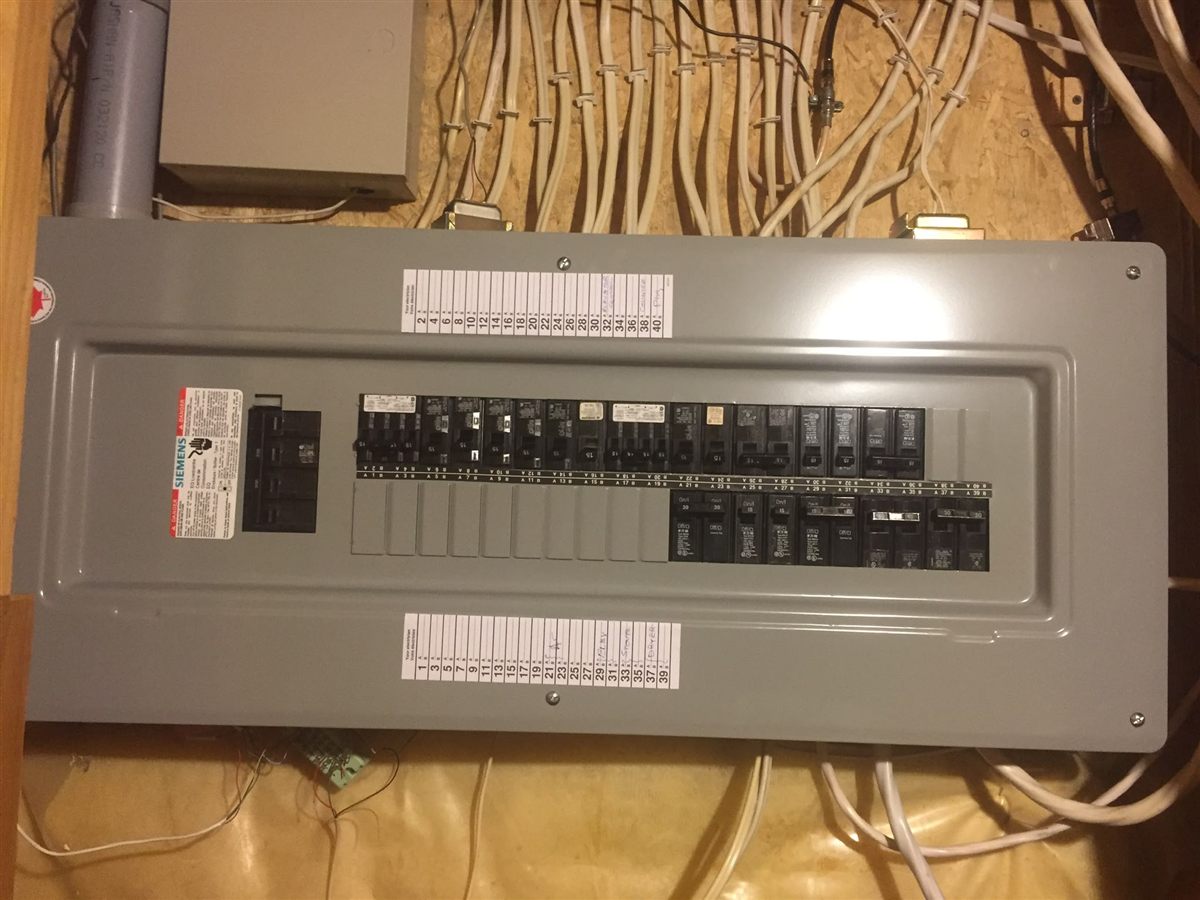
Mississauga grew in waves, and the decade your home was built tells me most of what I'll find before I even open the panel. The lakeshore communities — Port Credit, Mineola and the older pockets of Lorne Park — hold 1950s and 1960s bungalows and cottages with 60-amp services, ungrounded two-prong receptacles and, in homes built between roughly 1965 and 1978, aluminum branch wiring. Then came the enormous 1970s and 1980s build-out: Erin Mills, Meadowvale and the Streetsville area, thousands of split-levels, semis and townhomes on 100-amp or 125-amp panels that were never designed for central AC, hot tubs, home offices and EV chargers. A third wave — Central Erin Mills, Churchill Meadows — brought 1990s and 2000s homes with decent panels but renovation-hungry kitchens and basements.
On a typical day I'll drive from a 1962 fuse panel in Mineola to a 200-amp EV-ready upgrade in Churchill Meadows before lunch. Same city, completely different electrical reality.
Older homes: the four things I check first
- Service size. 60-amp service cannot run a modern kitchen, let alone air conditioning and a Level 2 charger. A panel and service upgrade starts with an honest load calculation, not a sales pitch — sometimes 100 amps is genuinely enough for a small bungalow.
- Aluminum branch wiring. Homes from roughly 1965–1978 often have aluminum on the 15- and 20-amp circuits. It is not automatically a fire hazard, but it needs proper remediation — that is exactly what our aluminum wiring replacement work covers, and it keeps insurers happy.
- Ungrounded receptacles. Two-prong outlets throughout a lakeshore bungalow are common. GFCI protection is the code-compliant fix short of a full rewire.
- Insurance letters. If your insurer has written to you about the panel or wiring, bring that letter to the estimate visit — it usually defines the required scope.
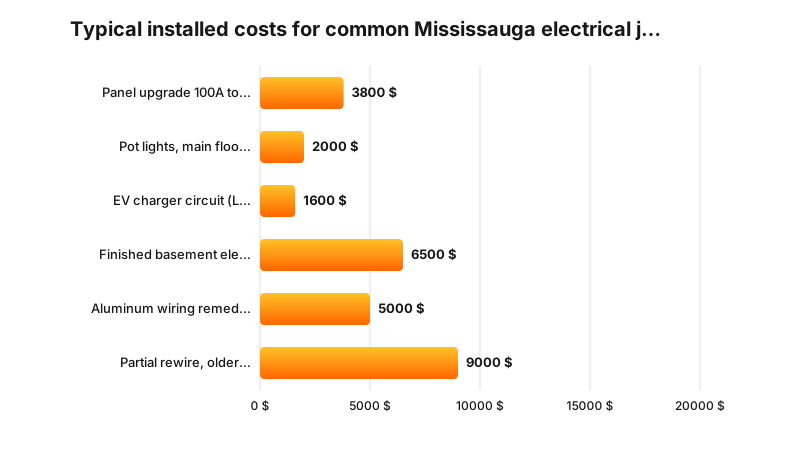
What common jobs cost in Mississauga in 2026
| Job | Typical range (installed, CAD) |
|---|---|
| Panel upgrade, 100A to 200A | $3,000 – $4,500 |
| Pot lights, main floor (8–12 fixtures) | $1,400 – $2,600 |
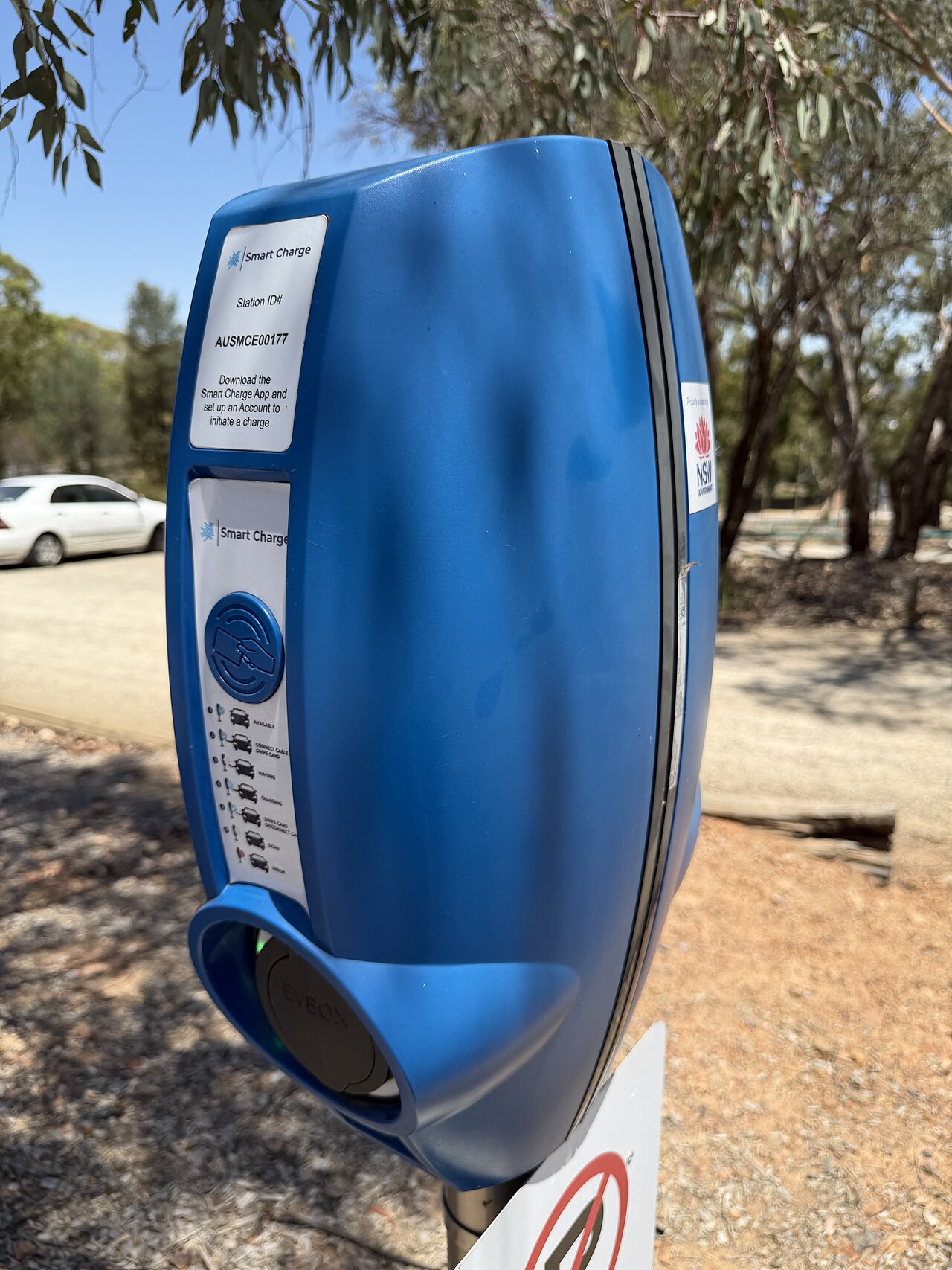
| EV charger circuit (Level 2) | $1,200 – $2,000 |
| Finished basement electrical | $4,000 – $9,000 |
| Aluminum wiring remediation (whole home) | $3,000 – $7,000 |
| Partial rewire, older bungalow | $6,000 – $12,000 |
Three factors move these numbers more than anything else: the condition of what is already there, how easy it is to fish new wire, and whether the work happens during a renovation or as a standalone retrofit. Access through an unfinished basement ceiling is cheap; opening finished bulkheads in a 1960s bungalow is not. Every quote we give in Mississauga separates the must-do code items from the nice-to-haves so you can phase the work honestly.
Renovations are where Mississauga money goes
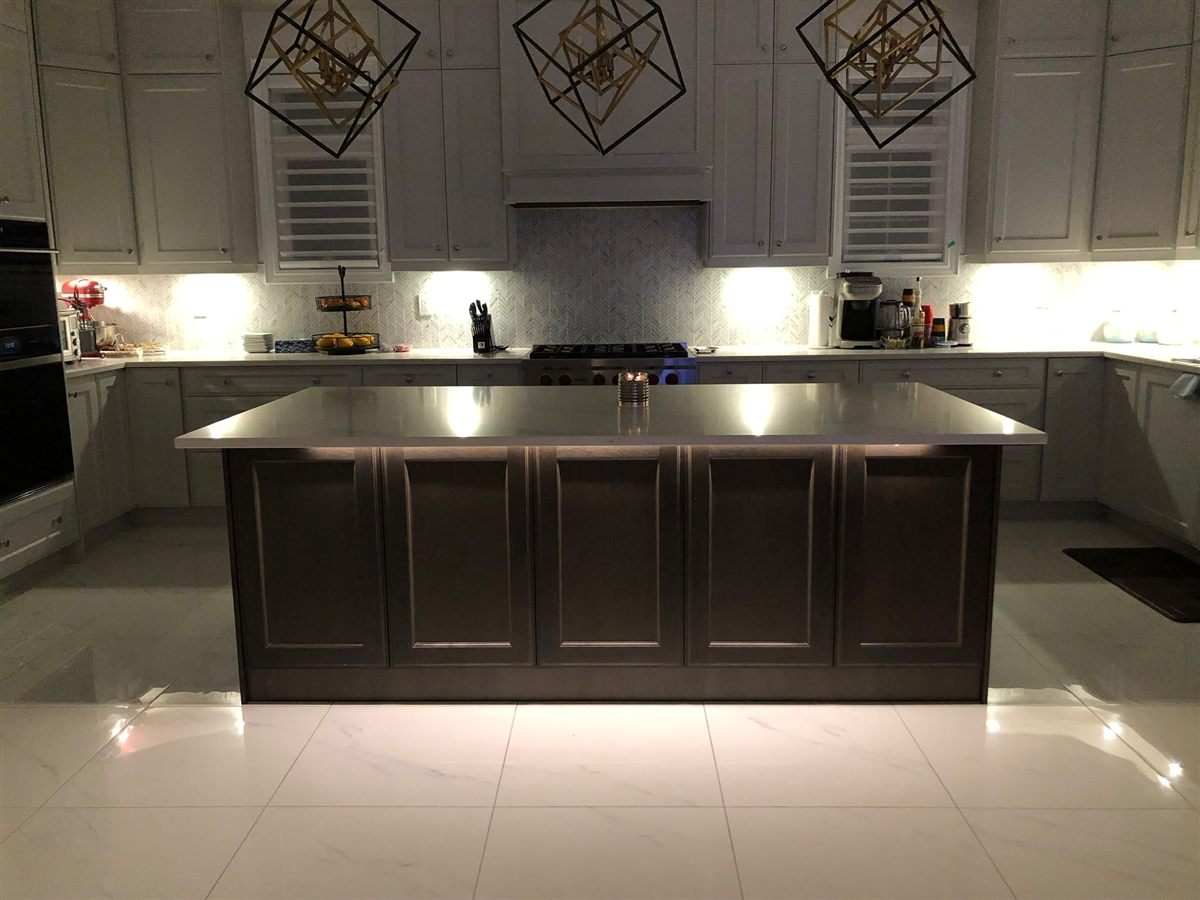
The busiest part of my Mississauga calendar is renovation electrical: kitchens opened to the living room, dark 1970s split-level main floors, and basement finishes in Meadowvale and Erin Mills. The single best money-saving decision is sequencing — rough in pot lights, under-cabinet lighting, island power and new circuits before the drywall goes up, not after. Retrofit work through finished ceilings routinely costs 30–50% more than the same wiring done during a reno.
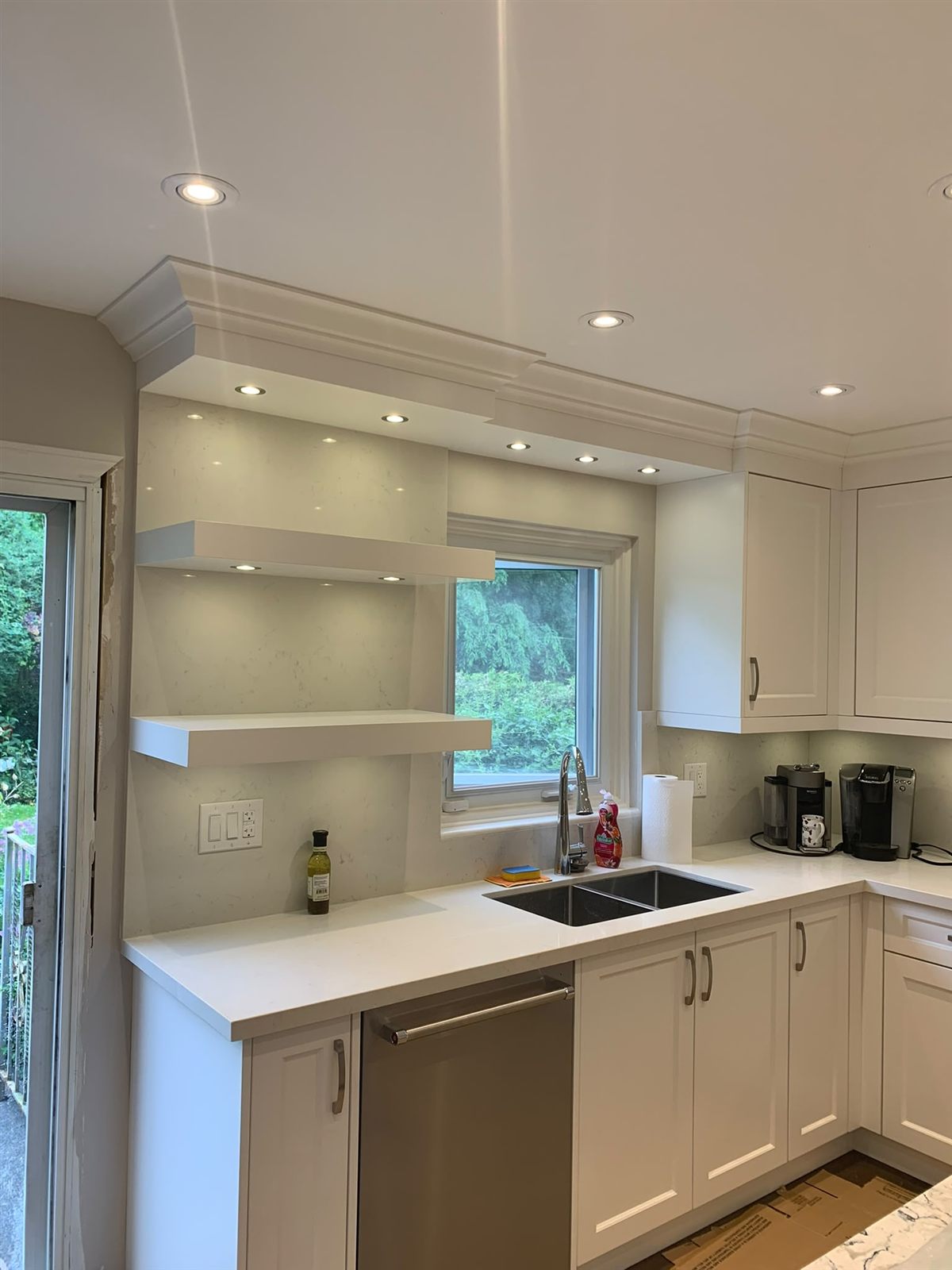
If you are planning a pot light and LED lighting layout, have us walk the plan with your contractor before the ceiling is closed. Moving a fixture after the fact means patching, and patching finished ceilings is where budgets quietly double.
EVs, heat pumps and the modern load stack
The newer half of Mississauga is adding load faster than any other part of my route. A typical Churchill Meadows or Lisgar household now runs two EVs, a heat pump or high-efficiency AC, a hot tub and a basement gym — that is a 200-amp life on a 100-amp service. The Ontario Sunshine List of warning signs is simple: breakers tripping when the AC and dryer run together, lights dimming at the kettle, a panel that feels warm. Any of those means a load calculation before you buy the second EV, not after. Alectra Utilities also has its own service-upgrade connection requirements, which we handle as part of the permit paperwork. One pattern I watch: homeowners who upgrade the panel at the same time as the EV charger or heat pump save money on both, because the service work, permits and Alectra coordination happen once. Staging those jobs separately nearly always costs more in total.
Sources
- Electrical Safety Authority (ESA) — contractor licensing, notifications of work and Ontario electrical safety requirements.
- Ontario Electrical Safety Code — the code every job in the province is inspected against.
- Alectra Utilities — the local electricity distributor for Mississauga homeowners.
- Statistics Canada — census data on Mississauga's housing age mix.
- CMHC — Canadian housing research and renovation guidance.
Questions Mississauga homeowners ask me
My Port Credit bungalow has a fuse panel. Do I have to upgrade?
Not legally, in every case — but practically, yes, the moment you want central AC, a dryer, a modern kitchen or an EV charger. Fuses and 60-amp service cap what the home can do, and insurers increasingly demand an upgrade before renewal. A load calculation tells you whether 100A or 200A is the right target.
Is aluminum wiring a deal-breaker when buying in Mississauga?
No. It is a pricing issue, not a walk-away issue. A proper remediation — CSA-approved connectors on every termination, or a rewire where warranted — runs $3,000–$7,000 in most Mississauga homes and should be reflected in your offer. Unremediated aluminum is what should worry you, and your home inspector will flag it.
How long does a panel upgrade take?
One day of work for a straightforward 100A-to-200A changeover, plus the ESA inspection and Alectra reconnection scheduling — realistically about a week door to door. We plan power downtime to a few hours and tell you exactly when they fall.
Do I need a permit for pot lights or a basement finish?
Yes. New lighting circuits and finished-basement wiring both require an ESA notification of work and inspection. The fee is modest, the certificate matters at resale, and any contractor who suggests skipping it is transferring the risk to you.
Do you work across all of Mississauga?
Every corner — Port Credit to Malton, Streetsville to Meadowvale. We are based in Brampton and Mississauga is our second-busiest territory, so scheduling is fast. Free estimates anywhere in the city — call 416-903-7166.