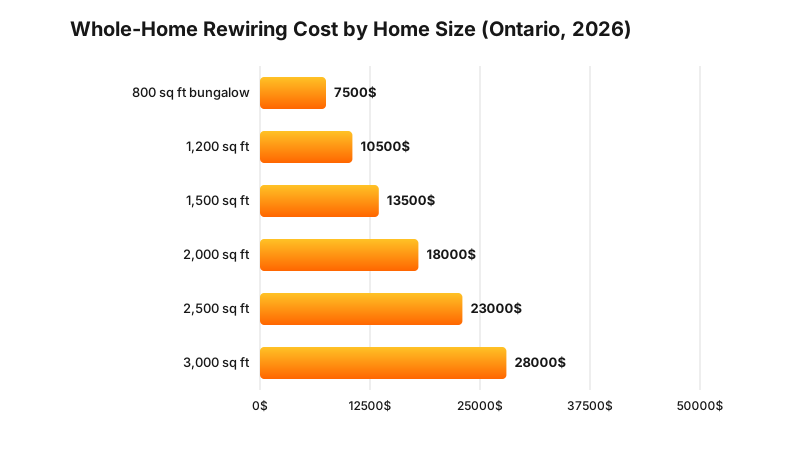
Updated for 2026. A whole-home rewire in Ontario typically costs $9,000 to $25,000, and most 1,500 sq ft GTA homes land between $13,000 and $18,000 all-in. The final number depends on home size, how easily we can fish new cable, and how much drywall repair the job requires.
What whole-home rewiring costs in Ontario in 2026
| Home size / scope | Typical all-in cost (CAD) |
|---|---|
| 800 sq ft bungalow or small semi | $7,500 – $11,000 |
| 1,200 sq ft bungalow / small two-storey | $10,000 – $14,000 |
| 1,500 sq ft two-storey (GTA benchmark) | $13,000 – $18,000 |
| 2,000 sq ft detached | $17,000 – $23,000 |
| 2,500 – 3,000+ sq ft custom home | $22,000 – $30,000+ |
| Knob-and-tube or aluminum premium | +15% – 30% |
| Partial rewire (one floor or addition) | $3,500 – $7,000 |
Those are honest installed ranges — labour, copper, new panel connections, device boxes, ESA permit and inspection included. Quotes far below the bottom of these bands usually exclude drywall repair, patching, or the permit itself. When we quote a rewire in Brampton or anywhere in the GTA, the number covers everything except painting, and we say so in writing.
What a full rewire actually includes
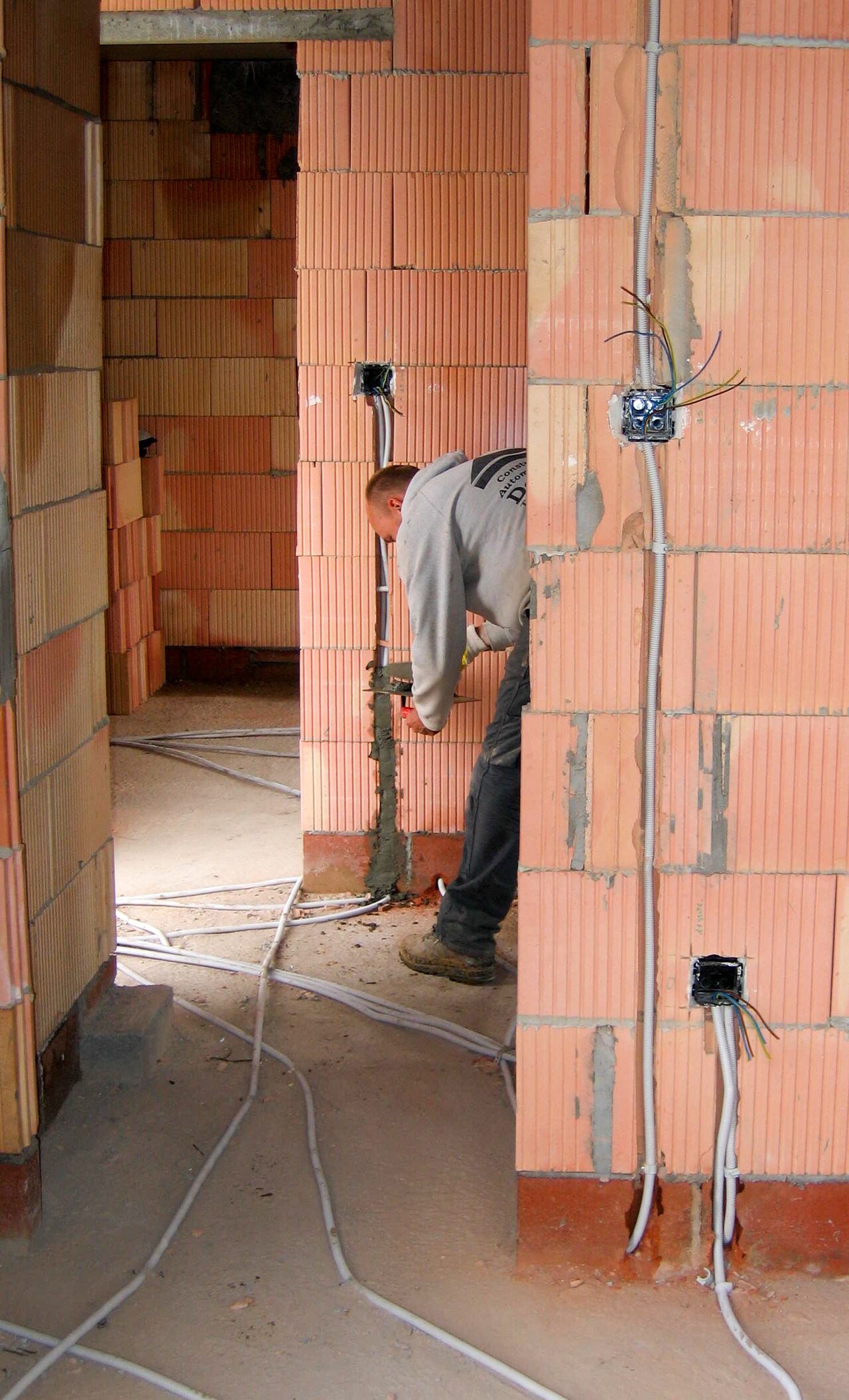
A proper whole-home rewire is not swapping outlets. We remove or abandon the old conductors, run new copper branch circuits to every room, install new device boxes, grounded receptacles and switches throughout, renew the connections at the panel, add arc-fault and ground-fault protection where the Ontario Electrical Safety Code requires it, and correct bonding of plumbing, gas and structural steel. Every circuit gets labelled, and the ESA inspects before the walls close.
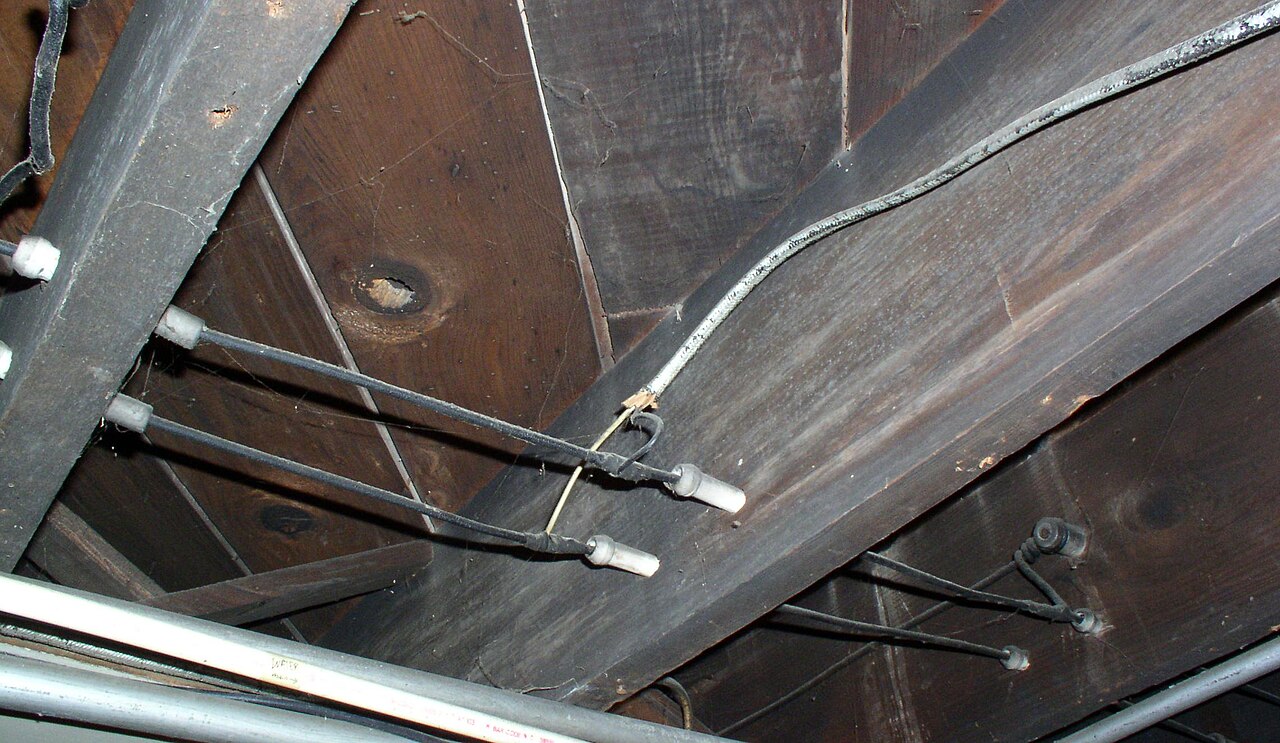
If your home still has knob-and-tube wiring or old aluminum branch wiring, removal adds real labour: the old conductors are clipped at each knob, pulled where accessible, and safely abandoned in walls that can't be opened. That is exactly where the 15–30% premium comes from, and it is not a line item anyone should hide from you. One more thing worth knowing: a rewire done to today's code is also your chance to fix decades of buried sins — undersized kitchen circuits, outdoor outlets with no weather protection, and bathroom receptacles without proper ground-fault protection all get corrected as part of the same scope, at a fraction of what each fix would cost on its own.
Seven signs your home needs rewiring
If budget is the worry, ask about phasing. Where the wiring is serviceable but tired, we can prioritize the highest-risk circuits first — kitchen, bathrooms, and anything knob-and-tube — and schedule the rest over one or two winters. It's not the ideal, but it's a safe, permitted middle path between doing nothing and writing one big cheque, and we document exactly what's been renewed so the next phase starts from known ground.
- Fuses, not breakers — a fuse panel means the wiring is often 60 years old or more.
- Two-prong outlets — ungrounded receptacles throughout the house.
- Frequent breaker trips when the kettle and toaster run together.
- Buzzing, warm, or discoloured outlets and switches — a genuine fire warning.
- A burning smell near outlets or the panel — call an electrician this week, not this quarter.
- Lights that dim or flicker when appliances cycle.
- Insurer demands — many Ontario insurers now refuse or surcharge homes with knob-and-tube, aluminum, or 60-amp service.
Any one of these on its own might have a smaller fix. Three or more, and I tell homeowners plainly: budget for a rewire before you budget for renos.
What drives the price up or down
After two decades of rewires across the GTA, the factors that move the number are consistent:
- Access. An unfinished basement and attic with open joists cut labour dramatically. Finished spaces mean fishing, cutting, and patching.
- Drywall and plaster. Patching 40 holes in plaster costs more than cutting ten clean channels in drywall. We open, fish, and close strategically — usually one horizontal channel per wall run, not a grid of holes.
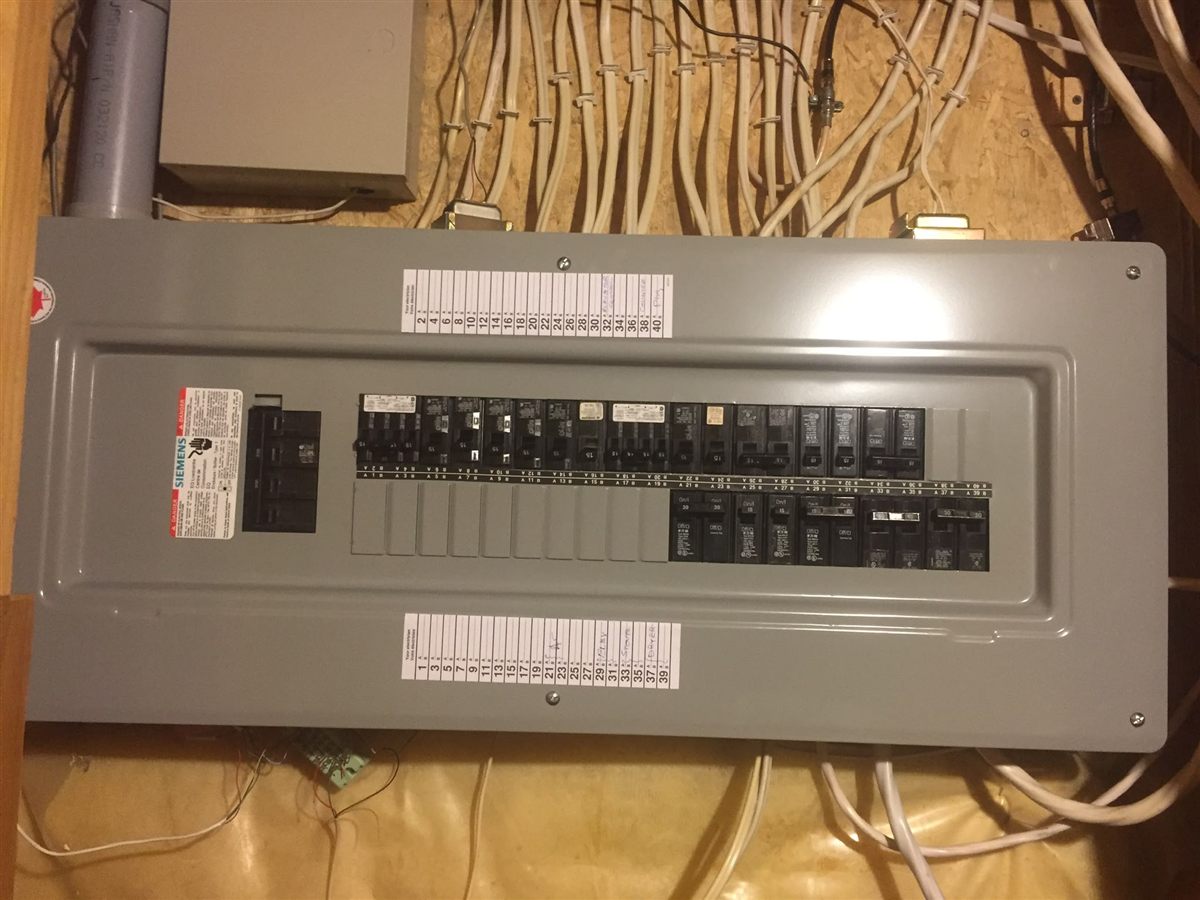
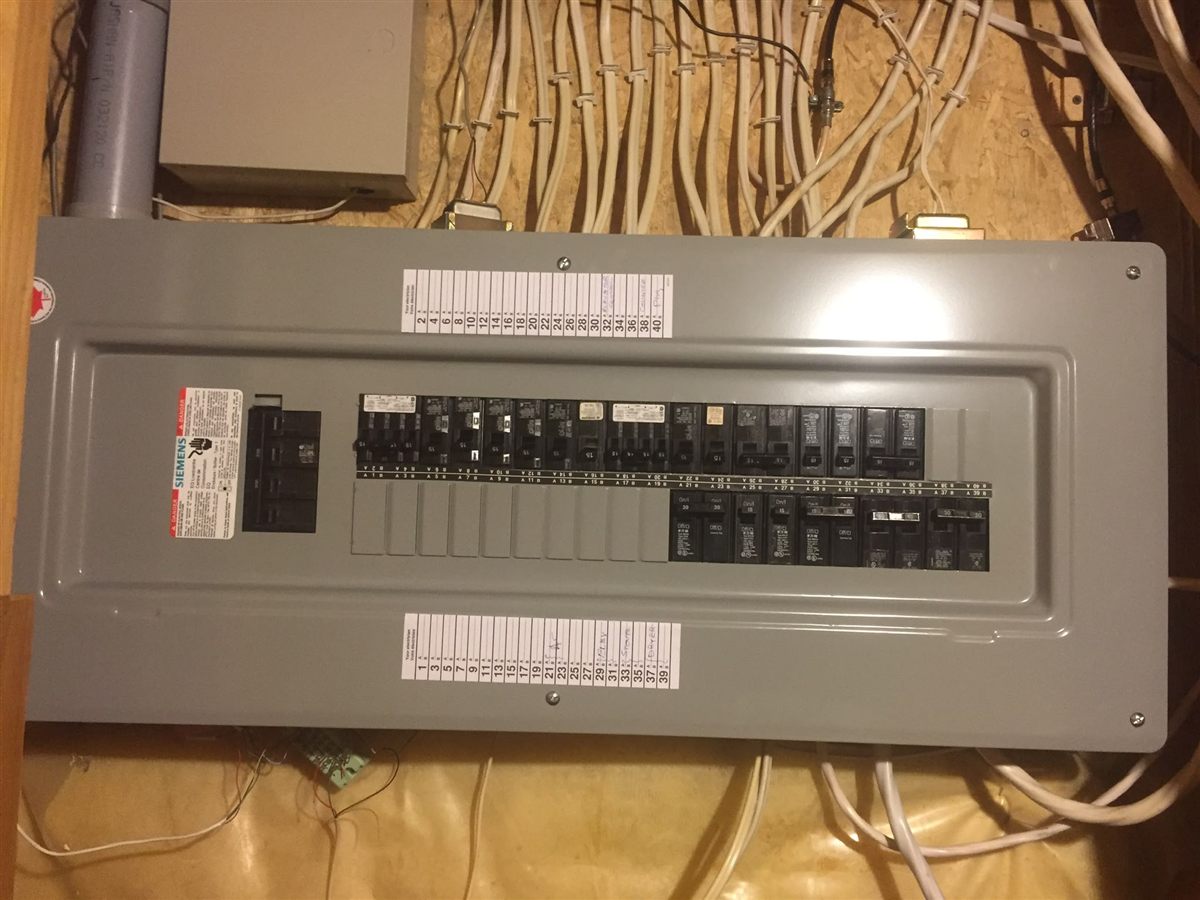
- Panel condition. If the panel also needs replacement, combining jobs saves money versus returning in two years. Our panel and service upgrades are quoted together with rewires for that reason.
- Legacy wiring. Aluminum branch wiring and knob-and-tube both add removal and remediation time.
- Modern loads. EV chargers, hot tubs, saunas, and induction ranges need dedicated circuits beyond a like-for-like rewire.
Rewire, panel upgrade, or both?
Homeowners ask this every week. The honest answer: a rewire renews the branch wiring but leaves the service entrance and panel as-is. If your service is 60 or 100 amps, or the panel is a brand insurers flag, doing both in one visit is meaningfully cheaper than two separate projects — one permit cycle, one inspection sequence, one round of drywall. We assess load, count the circuits, and give you a combined price so you can compare apples to apples.
Sources
- Electrical Safety Authority (ESA) — permits, inspection, and licensed-contractor rules for Ontario electrical work.
- Ontario Electrical Safety Code (O. Reg. 164/99) — the wiring rules your rewire must meet.
- ESA homeowner electrical safety guides — warning signs and safe-renovation guidance.
- Statistics Canada — Canadian housing age and stock data behind older-home electrical demand.
Frequently asked questions
How long does a whole-home rewire take?
Most 1,500 sq ft homes take five to ten working days depending on access, plus inspection and your drywall finishing. Homes with finished basements, plaster walls, or knob-and-tube throughout run longer. We sequence room by room so the house stays partially livable.
Can I live in the house during a rewire?
Usually yes. Power is off in zones as we work, never the whole house overnight, and we restore each area before moving on. Plan for one fridge circuit and your furnace to stay live at all times — we make sure of it.
Does a rewire require an ESA permit?
Absolutely — replacing branch wiring is exactly the work Ontario requires a notification of work and inspection for. The certificate is your proof for insurers and future buyers, and any contractor who suggests skipping it is putting you at risk.
Is rewiring covered by insurance?
Generally no, insurers treat it as maintenance. But many offer better rates — or coverage at all — once knob-and-tube or aluminum wiring is removed, so the rewire often pays part of itself back in premiums and resale value.
Should I rewire before renovating?
Always. Walls are open, floors are up, and the marginal cost of new circuits during a renovation is a fraction of a standalone rewire later. If you're planning a kitchen or basement project in Mississauga or anywhere nearby, call us before the drywall goes up.
A rewire is the one electrical job where honesty about scope matters more than a low number. We quote whole-home rewires across Brampton and the GTA with permits, inspection, and drywall repair spelled out line by line. Call 416-903-7166 for a free, no-pressure estimate.