
Updated for 2026. Ontario condo owners have a legal right to install EV charging, and corporations can't unreasonably refuse — but the real process runs through engineering studies, board approvals and common-element electrical work. Budget $2,000–$5,000 and two to four months in a typical building, and here's exactly how it unfolds.
Your rights under the Condominium Act
Amendments to Ontario's Condominium Act, 1998 changed the game for EV owners: you have a right to request EV charging, and the corporation must engage with your request through a defined process rather than simply saying no. The corporation can still impose reasonable conditions — routing, load management, insurance certificates, restoration of common elements — but an outright unexplained refusal is exactly what the legislation was designed to prevent. Knowing this changes the tone of the conversation: you're not asking a favour, you're exercising a right and accepting the building's legitimate engineering conditions. It also means the argument should happen on paper, through the proper application, which protects you if things stall.
The approval process, step by step
In the buildings where I've installed chargers across Toronto, Vaughan and Markham, the winning sequence looks like this. First, read your corporation's EV charging policy — most have one now — and submit the formal application with your unit details and preferred parking location. Second, the corporation arranges an electrical capacity assessment: an engineer or licensed electrical contractor determines whether the building's supply can handle your charger. Third, you get an installation agreement covering who owns what, maintenance responsibilities, and cost allocation for common-element work. Fourth, the physical install happens: a dedicated circuit from the electrical room or your unit's panel, conduit runs, and the charger itself. Fifth, ESA inspection and energization. Every professional install is a permitted job — anyone who tells you a condo garage install doesn't need ESA involvement is wrong, and that paperwork is what protects your resale value.
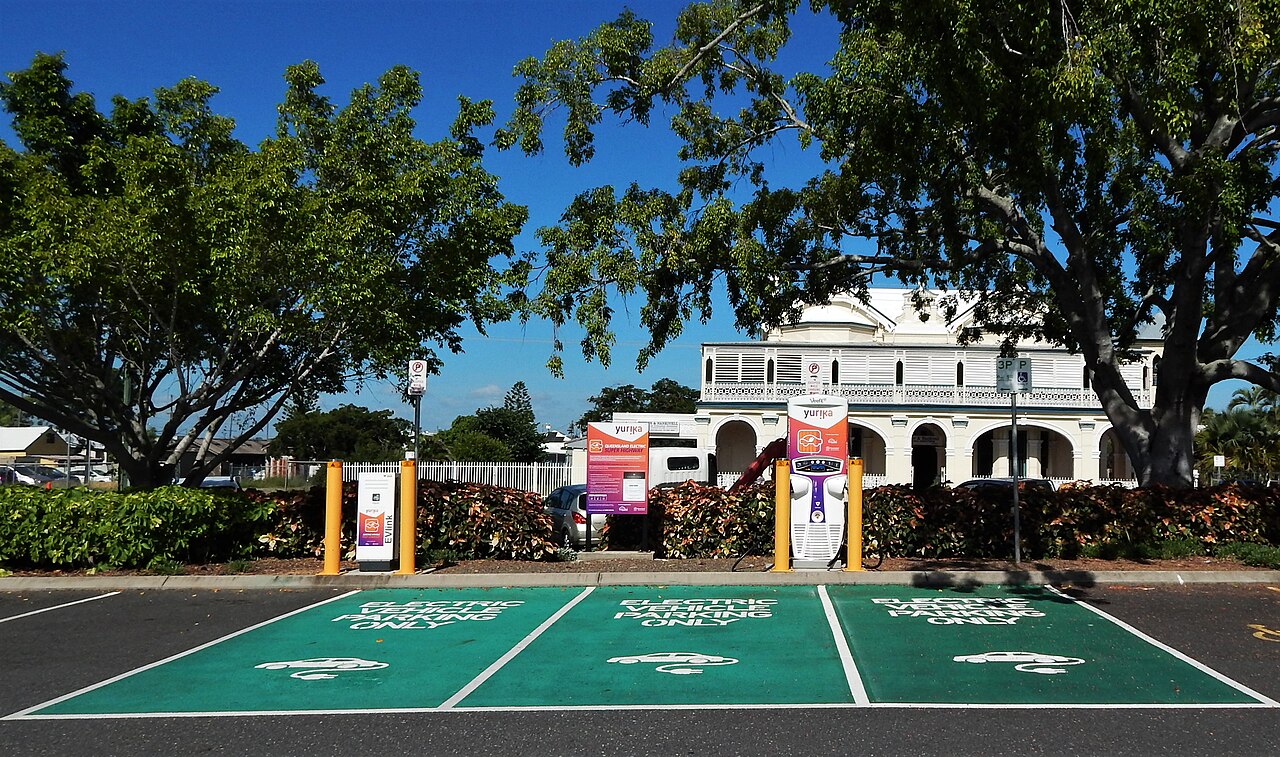
What it costs: condo versus house
The honest comparison:
| Scenario | Typical total (CAD, installed and permitted) |
|---|---|
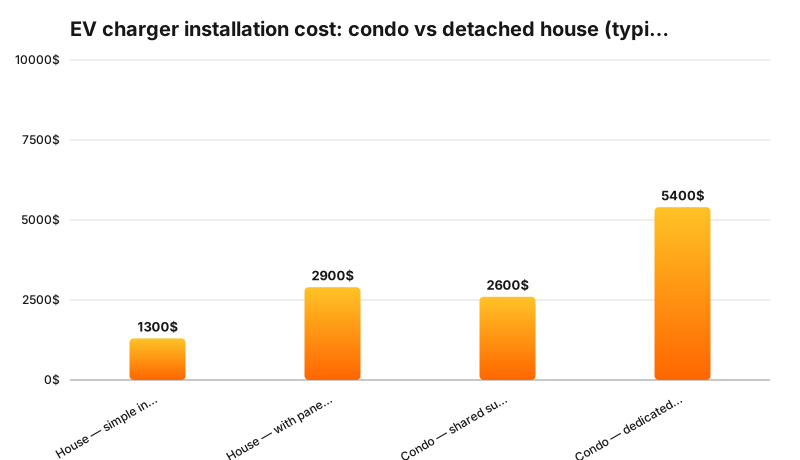
| Detached house — garage, panel has capacity | $1,200 – $1,800 |
| Detached house — needs panel work or long run | $2,500 – $4,000 |
| Condo — spare capacity in shared supply | $2,200 – $3,500 |
| Condo — dedicated infrastructure, metering | $4,000 – $6,500+ |
Factors that drive condo pricing: distance from the electrical room to your parking space (conduit and wire add up fast), whether the building wants individual metering, load-management hardware, and any concrete coring or firestopping in common areas. The chart below puts the scenarios side by side.
The electrical realities boards worry about
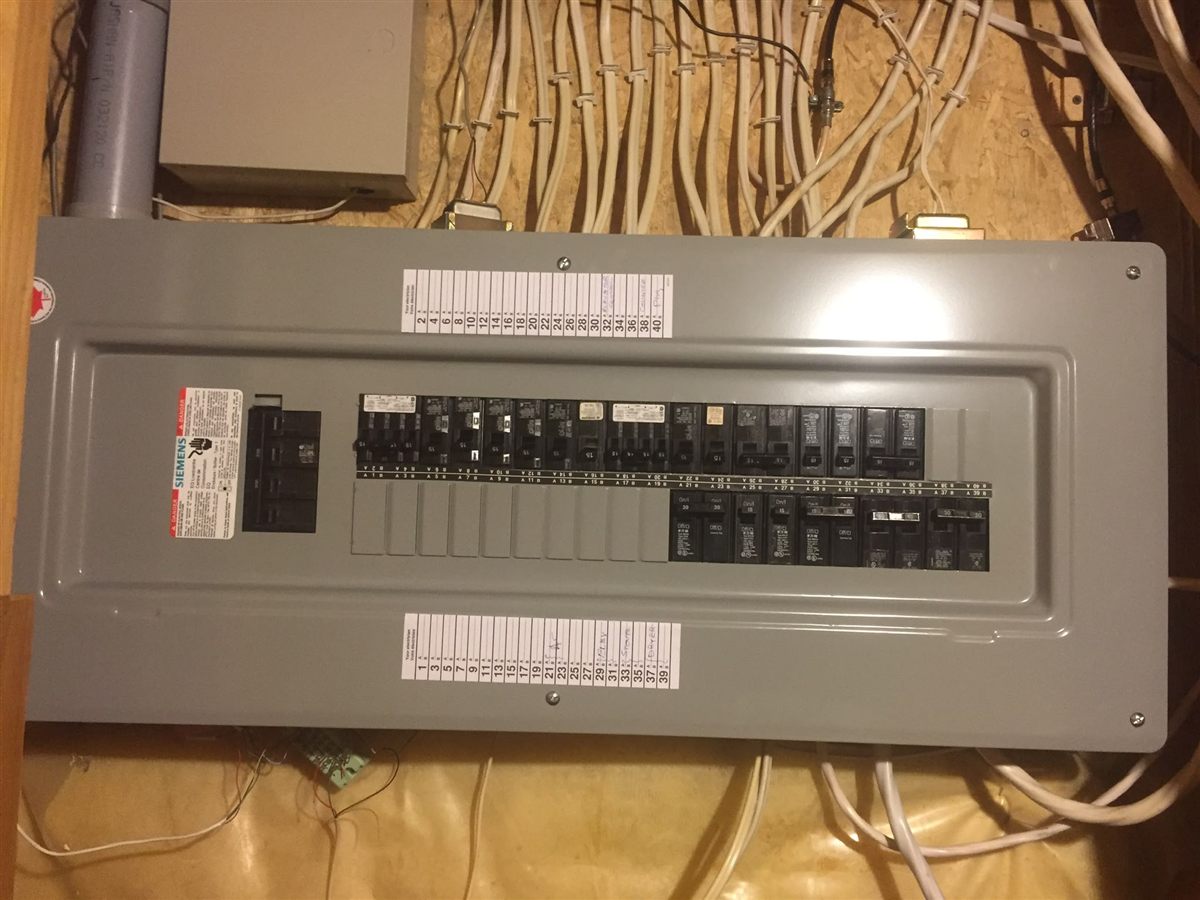
Here's what the engineering assessment is really asking: can the building's service handle one more 40-amp continuous load without tripping the main at 6 p.m. on the coldest night of the year? Many buildings from the 1990s and 2000s have headroom; many don't. Where they don't, there are now good answers — circuit-sharing devices that split capacity between two chargers, scheduled charging that staggers loads overnight, and full energy-management systems that cap total draw. Our EV charger installations include this load analysis up front, because a charger that trips the building's main helps nobody, and a panel or service upgrade discussion is sometimes the honest recommendation — for the house you move to next, if not this one.
Timeline: how to keep yours moving
Realistic timelines: two to four months from application to first charge in a well-run building; six-plus where boards meet infrequently or capacity is tight. What actually speeds things up is boring but effective: submit a complete application with a licensed contractor's letter, respond to engineering questions within days rather than weeks, and get your installation agreement reviewed early. What slows it down is the reverse — missing drawings, unlicensed quotes, and treating the property manager as an obstacle instead of a partner. One more tip: if your building hasn't adopted an EV policy yet, volunteer to be the pilot case. Boards move faster on a first application when the owner brings a complete, professional package, and being first usually means the simplest routing choices are still available. When the paperwork is clean, most boards approve straightforward applications without drama.
Sources
- Condominium Act, 1998 — S.O. 1998, c. 19
- Ontario Electrical Safety Code — O. Reg. 164/99
- Electrical Safety Authority (ESA) — electrical safety resources
- Statistics Canada — Housing and family estates
Condo EV charger FAQs
Can my condo corporation refuse my EV charger request?
Not arbitrarily. Under the Condominium Act process, corporations must consider requests properly and can impose reasonable conditions — engineering, routing, insurance — rather than refuse outright without grounds. If your application stalls with no substantive response, that's worth raising formally, ideally with legal advice.
Who pays for the electrical capacity assessment?
Usually the unit owner requesting the charger, running $500–$1,500 depending on the engineering firm. Some corporations absorb it for the first few applications because the study benefits everyone. It's worth asking before you order one — some buildings already have a building-wide assessment on file.
Can I just run a cord from my unit to my parking space?
No — and this is the one that genuinely worries me. Extension cords across common areas violate fire codes, aren't rated for continuous 40-amp loads, and void insurance when something happens. Every condo install should be a dedicated circuit with proper overcurrent protection and an ESA inspection, full stop.
What charger should I buy for a condo?
A networked Level 2 unit the building can monitor — typically 32–40 amps on a dedicated 50-amp circuit. Networking matters more in condos than houses: it lets the building see and manage load, which is often a condition of approval. We specify chargers with load-sharing built in so a second charger in the building doesn't force new infrastructure.
Does an EV charger add value at resale?
In the GTA right now, yes — a permitted, deeded charging setup is a genuine selling feature, and buyers increasingly ask for it in listings. The ESA certificate and installation agreement are what make it transferable; keep both with your condo documents.
Start with a straight answer
If you're weighing a charger for your building, we'll look at your unit, your parking location and the likely capacity picture, then tell you honestly what it will take — before you spend a dollar on applications. Free consultations across the GTA: call 416-903-7166 or request a quote online.