“Irshad and his team installed potlights throughout our main floor, hooked up our new appliances and added under-cabinet lighting in the kitchen. Clean, precise work and the ceiling patch lines are invisible. Everything was left spotless at the end of each day.”
Medical & Dental Office Electrical
A clinic's electrical system has three jobs no retail space shares: feed heavy, precise equipment; protect sensitive electronics from the dirty power that surrounds them; and stay alive when the grid doesn't. Dental and medical fit-outs also run under tighter scrutiny — landlord standards, infection-control considerations during construction, and equipment vendors whose warranties demand correctly installed circuits. We handle all of it, and we've learned to coordinate with equipment reps so installs pass vendor checks the first time.
Dedicated Circuits for Imaging & Equipment
Every significant clinical device wants its own clean circuit:
- Dental imaging — intraoral X-ray units, panoramic and CBCT systems on dedicated 120/240V circuits with correct overcurrent protection and voltage stability, exactly as the equipment manufacturer specifies.
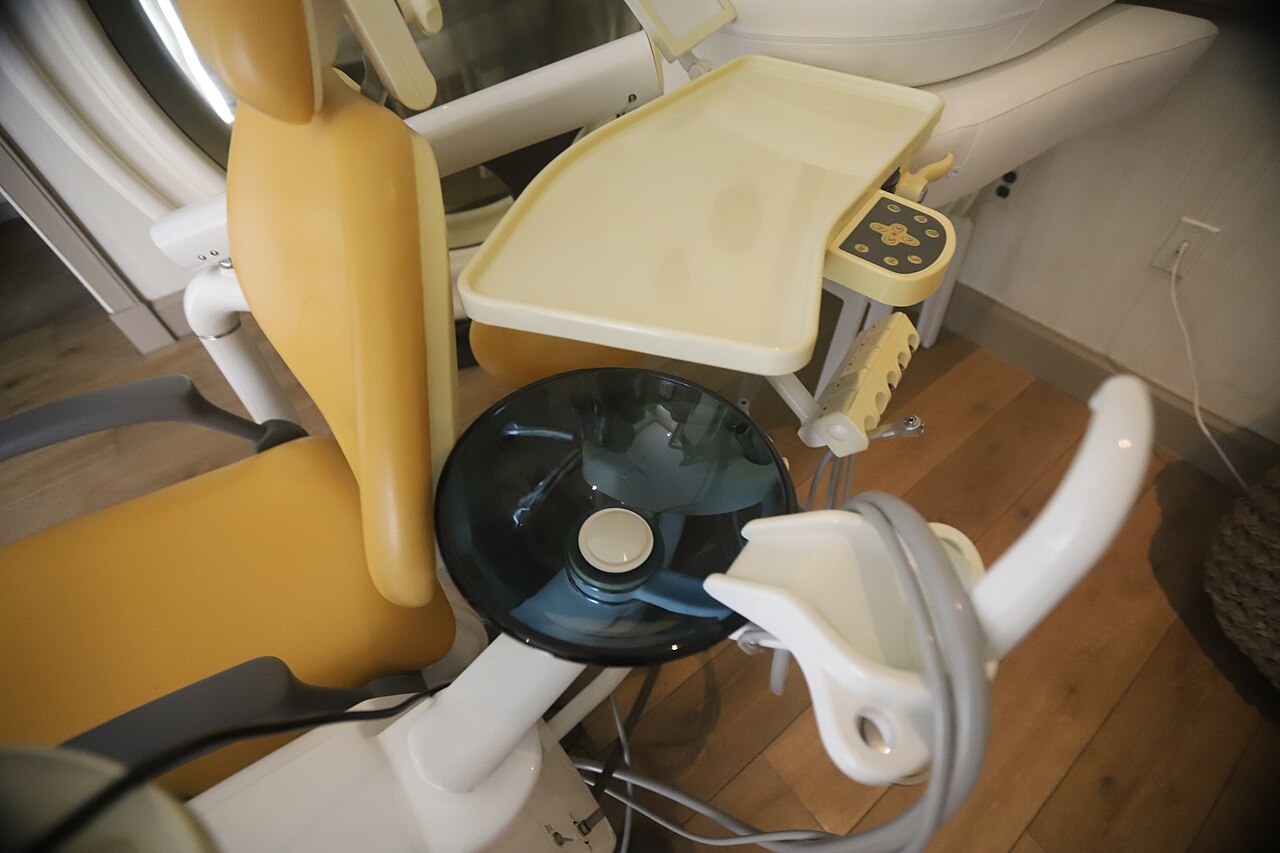
- Chairs and delivery units — dedicated receptacles at each operatory, positioned per your floor plan and millwork so cords never cross clinical surfaces.
- Sterilization — autoclaves and sterilizers are genuine heating loads; they get dedicated circuits sized for their duty cycle.
- Medical imaging and diagnostic equipment — circuits and, where required, isolated power or voltage regulation planned with the equipment vendor from the drawings.
Manufacturer specifications govern — we build to the equipment schedule, not a generic outlet count, and we coordinate startup inspections with the vendor's technician.
Backup Power & Reliability
Power loss mid-procedure is a patient-safety issue, not an inconvenience. Depending on your practice, we design:
- UPS systems for imaging, computers and network equipment — bridging short outages and conditioning everyday power sags.
- Generator or battery backup for critical circuits — lights, emergency equipment, sterilization — with automatic transfer where the practice requires it.
- Surge and transient protection at the panel level, because clinical electronics fail gradually on dirty power long before they fail spectacularly.
We size backup for actual clinical need and budget honestly — not every circuit needs backup, and we'll tell you which do.
Sensitive Electronics & Clean Power
Modern clinics are dense with electronics that share a panel with compressor motors, sterilizers and HVAC. We separate sensitive loads from noisy ones, balance phases properly on three-phase services, and specify surge protection and UPS backing where equipment warrants it. The result is imaging that calibrates reliably and computers that don't mysteriously reboot — the kind of quiet reliability a busy practice stops noticing, which is the point.
Clinic Compliance & Construction Considerations
Clinic renovations carry extra layers: ESA permits and inspections as standard; landlord documentation for medical tenants in professional buildings; infection-control dust containment where construction happens near operating treatment rooms; and scheduling that respects patient appointments — our work happens evenings and weekends by default in occupied clinics. Where the practice is part of a larger commercial build-out, we coordinate with your contractor and millwork shop so operatory wiring lands exactly where chairs and cabinets do.
Operatories & Treatment Rooms
Each operatory gets planned as a self-contained unit: chair power on a dedicated circuit, delivery-unit receptacles positioned to your millwork drawings, ceiling-mounted light circuits, and data pathways coordinated with your IT vendor. In medical settings we add exam-room lighting with proper colour temperature for clinical assessment, dedicated circuits for diagnostic wall units, and outlets placed for portable equipment without cords crossing walkways. Millwork coordination is the detail that makes or breaks the fit-out — we work from the shop drawings, not assumptions, so outlets land inside cabinets exactly where your designer intended.
Expansion & Renovation of Existing Practices
Growing practices face a familiar math: add two operatories and the original service is suddenly short. We assess capacity against your expansion equipment schedule, upgrade panels or services where needed, and phase construction so existing rooms keep treating through the work. Practices in professional plazas across Mississauga and Brampton regularly extend into adjacent units — work that involves demising-wall penetrations, fire-stopping and landlord approvals we're accustomed to handling.
Ontario Rules, Not American Articles: CSA & OESC vs. NEC
Search dental or medical office electrical requirements and you'll mostly find American content written around the US National Electrical Code and NEC Article 517 — hospital-grade receptacles, isolated power and patient-care zone rules that differ from, and sometimes conflict with, what's enforced here. In Ontario the governing document is the Ontario Electrical Safety Code, which adopts the Canadian Electrical Code with Ontario amendments, alongside CSA standards for medical electrical equipment and installation. The concepts overlap — patient-care areas do demand hospital-grade receptacles, and certain procedures do require isolated or specially protected power — but the thresholds, testing and approval paths are Canadian. We're licensed under the OESC (ESA/ECRA #7004060) and we build to CSA requirements, so your clinic passes inspection in Brampton or Mississauga — not just in a Florida forum thread.
Hospital-Grade Receptacles & Patient-Care Areas
Every operatory and exam room we wire receives hospital-grade receptacles — the green-dot devices with reinforced grounding contacts and cord retention that CSA standards require where equipment plugs in during patient care. They're a small line item with an outsized effect: standard commercial devices loosen under the repeated plug cycles of portable equipment, and a dropped connection mid-procedure is exactly the failure mode these receptacles exist to prevent. We also apply GFCI protection wherever wet or damp conditions exist and, where imaging or diagnostic equipment demands it, isolated power or voltage regulation planned with your equipment vendor.
Why Clinic Owners Choose Bano Electrical Services Ltd
- Equipment-driven design — circuits built to manufacturer specifications, coordinated with your vendors.
- Patient-first scheduling — evenings, weekends and phased work around appointments.
- Backup power expertise — UPS, generator and surge systems sized honestly.
- Licensed and documented — ESA/ECRA #7004060, COI and WSIB for your landlord and insurer.
Opening or renovating a practice in Brampton, Mississauga or Toronto? Call 416-903-7166 or send us your equipment schedule and drawings — we'll scope it and quote fixed pricing, including the emergency lighting and compliance testing your clinic common areas need.